
Monday, March 5, 2012
Closing This Blog
Hello, everyone who follows me on this blog. I am just letting you know that I will no longer be running this blog. It is too hard to do more than one blog, so I am putting all my attention on my Futuristically Ancient Blog (futuristicallyancient.com). If you want, you can switch over to that blog; it is on wordpress. Thank you all for following me. Bye.

Tuesday, August 16, 2011
Music Note #12: Bored Suburban Kids with Little Talent
Have you heard of Rebecca Black? Yeah, the Friday girl. Well, she is not only one. Actually, there is a several other young suburban girls from the Ark Music Factory. In our media and celebrity-obsessed culture where getting attention and fame is more important than talent, it is no wonder that these girls are being manufactured. Why not start them out young (obviously these girls have nothing better to do, like enjoy their teenage years), and the label is not wasting any time. You think Black is bad, just see this 12-year-old sex kitten wannabe, Jenna Rose. Where are her parents because this is close to selling your child into the kiddie porn business. "OMG" is the title of the song and it fits perfectly because I am sitting her with my jaw open. Using a Donna Summer "Bad Girls" reference does not help either. Can the music industry get any worse than this?
I feel genuinely sick...
I feel genuinely sick...
Friday, June 3, 2011
Music Note #11: Beyonce and Rihanna: Feminism is Complicated
In the past two week, pop divas, Beyonce and Rihanna have released songs that have stirred controversy and further opened up the discussion about feminism and women's rights. Beyonce's anthem "Run the World" and Rihanna's "Man Down" coincidently came out around the same time, however the latter surprisingly for me turned out to be more meaningful and empowering than the former. I remember listening to both to Destiny's Child's "Independent Women" anthem in 2000 and loving that song, but when I hear "Run the World," I do not feel as strong of a reaction.
First off, that song, which was written by Beyonce, even though it is not really progressive because it is equating full independence with being able to buy things (materialism), at least called us "women," not "girls." Also, the entire song could be used as an anthem, not just one line, which brings me to "Run The World." Yes, it also focuses on "getting that check," but Beyonce's song have never been the most progressive things in the world. However, besides a lackluster beat, which she used from Major Lazer's "Pon De Floor", a song that has a questionable video, and that The Dream actually wrote this song, not Beyonce herself, the song is not empowering to me.
The only part of the song that is worth it is "Who run the world? Girls!" and toasting to the college grads. What does the line "Make your check, come at they neck" mean and what does "Boy this beat is crazy/This is how they made me/Houston Texas Baby" have to do with anything? I also do not see how "I think I need a barber/None of these n****s can fade me/I'm so good with this/I remind you I'm so hood with this" or saying "f*** you, pay me" is empowering. She sounds like she is trying to do a role reversal with herself and her man, which I do not think is the point of feminism.
The video is not convince me to like the song better either. No, I do not care that the girls are in revealing outfits, even though I think that today the focus on many female pop stars is to come off as sexual and seductive, which can lead to objectification of women. Yes, the dancing is amazing, but the video just looks Mad Max-ish and the "girls" in the video do not look like they are running the world, but playing the seductresses in order to rule the world. Watch the "Evil Demon Seductress" video at Sociological Images to know what I am talking about. The guys in the video do not even look phased by them as the "girls" seductively dance their way to winning the world. Nothing about this song feels personal....
On the other hand, Rihanna's "Man Down" moved me. Generally, I do not like Rihanna's music all that much. There are a few songs that I do like, but her voice in general irritates me to much to care (it works better when she sings in reggae or in a slower style). However, I do not like the criticism that has come down on her because of the song and video. This is a a heartfelt song about a woman feeling grief and guilt over killing a man and the video portrays a woman who is sexually assaulted and kills her attacker. After Rihanna released the video, she received criticism for the violence against the man in this video, but what about the violence against the woman who he violated.
Yes, murder is wrong, but so is rape or any other kind of sexual assault, and Rihanna shows that in this video. This man took something from her and she ended up taking his life; it is a consequence to his actions. Moreover, it is not as if Rihanna is showing a woman who is glorifying herself murdering someone; she is stricken with grief in the song ("I didn't mean to end his life/I know it wasn't right") and video. If you want that, go listen to the Dixie Chick's "Goodbye Earl." Revenge killing in music is nothing new, so stop unfairly judging Rihanna. Instead try to stop what causes people to do those killings in the first place. Even Rihanna brings up the idea of "blaming the victim" when she sings about now being a criminal for killing the man who assaulted her. This video is more personal to me because it shows how complicated life is and we often do things we regret even thought it was a reaction to someone else's actions.
Thursday, June 2, 2011
Freakin' It: Betty Davis Retrospective at Schomburg

Hello, everybody! Sorry I have been missing in action for a while, but this semester was really hectic. But I am back and also with a new blog, Futuristically Ancient. Go check it out! I will be cross-posting that blog with this one. This one of the first posts:
Let's talk about Betty Davis. I know I should have posted this in March, but as you know school distracted me until now. But better late than never, right? Betty Davis is one of my favorite artists and when I heard about the concert on March 7th at the Schomburg Center, I jumped at the chance to go. Even better, my class happened to be canceled that day, so I didn't have to skip (Lucky me!).
As part of the Black Rock Coalition's spring music tributes, the lineup for the night included Tamar-Kali, KimberlyNichole, Joi, N'Dambi, Nucomme, and Alkebulan. The band included guitarists and singers Kat Dyson and Jerome Jordan. This was one of the best concerts I had attended; it was a beautiful tribute to a woman who has inspired many and receives little attention. The entire band sounded amazing and after a while I did not even care that the singers were reading the lyrics on the stands. All the performances were fierce, but the two singers who were the most fiery were Tamar-Kali, who was the co-musical director with Victor Axelrod (keyboard), and KimberlyNichole.
And for those of you who do like these performances, this saturday the Black Rock Coalition Orchestra is doing a tribute at the Schomburg Center to another singer I love, Sam Cooke. Just click on his name to buy tickets. Enjoy!
Here is Tamar-Kali, KimberlyNichole and Kat Dyson performing "Game Is My Middle Name"
"Game is My Middle Name" featuring Tamar-kali from Bill Bryant on Vimeo.
KimbelyNichole performing "If I'm In Luck, I Just Might Get Picked Up"
"If I'm Lucky I Might Get Picked Up" featuring Kimberly Nichole from Bill Bryant on Vimeo.
Tamar-Kali performing "When Romance Says GoodBye"
"When Romance Says Goodbye" featuring Tamar-kali from Bill Bryant on Vimeo.
Joi, N'Dambi and Tamar-Kali performing "Steppin' in Her I. Miller Shoes"
"Steppin' In Her I. Miller Shoes" featuring Tamar-kali, N'dambi & Joi from Bill Bryant on Vimeo.
Joi performing "Nasty Gal"
"Nasty Gal" featuring Joi from Bill Bryant on Vimeo.
Tuesday, February 15, 2011
The Grammys: The Good, the Bad and the WTF?

Last Sunday's 53rd annual Grammys was a night full of surprises!
The Good:
Aretha Franklin Tribute: The show started with well-put-together tribute to the "Queen of Soul". Christina Aguilera, Jennifer Hudson, Yoland Adams, Martina McBride and Florence and the Machine's Florence Welch performed. While at times, the the notes were off and some of the girls screeched, I know they meant well. Yolanda Adams and Jennifer Hudson blew me away as usual and Florence Welch was surprisingly better than I thought she would be. Marina McBride sadly was a little flat and Christina Aguilera was trying way too hard. At least they sang some of my favorite Aretha songs!
Train won for Best Pop Performance by a Duo or Group for their song "Hey Soul Sister." That was a surprise for me because I didn't know Train had another album out and I've heard that song on commercials, not realizing it was them. I need to keep in the loop more.
Muse sounded great singing "Uprising". But now everyone including Glenn Beck (yuck) is saying Muse is calling for a "revolution." Or maybe it's the illuminati, haha!
B.O.B., Bruno Mars and Janelle Monae: B.O.B. was classy with his orchestra and monocle performing "Beautiful Girls", Janelle Monae stole the performance with "Cold War" and Bruno Mars tried with his "oldies but goodies" throwback to the Motown singing "Grenade, but sounded a little froggy. Sorry Bruno, still love you!
Seeing Jaden Smith make Justin Bieber's performance 100x better with his rap skills, however... (keep reading)
Bob Dylan, Avett Brothers and Mumford and Sons almost convinced me to go pick up a banjo and head to the country. Still it did have its uncomfortable moments, like the mentioning of a noose in the Mumford and Sons' song.
Cee-Lo sang "F*** You" as Big Bird!!!!! Some said he looked like a Liberace peacock. I thought it was hilarious and fun, especially with the Muppets. And Gwyneth Paltrow wasn't bad...See Gaga, that is how you look weird and make it work!
Norah Jones, John Mayer (looking like Johnny Depp) and Keith Urban sang one of my favorite COuntry song "Jolene"...John I hope you know that this does not erase that we black women have not forgotten your white supremacist dick comment...
Esperanza Spalding winning Best New Artist was definitely a shocker. Most expected either Bieber or Drake, but the upright bass-playing Jazz artist snuck in and took it right from under them. To all of the Bieber and Drake fans who are asking who Spalding is and/or are mad she won, get over it and check her out. She is talented and you may learn something; be respectful and open your damn mind!
Mick Jagger and Raphael Saadiq paid tribute to one of my favorite Soul singers, Solomon Burke. I was so excited to see Mick Jagger in his first appearance at the awards show performing "Everybody Needs Somebody to Love." You should have seen me jumping around in my room! And it seemed as if Mick didn't want to stop jumping around either...all that energy for a 67-year-old!
The Bad:
Sorry to all the Lady Gaga fans, but the debut performance for her song "Born This Way" was weak! Besides the song sounding like a bad Techno mash-up of Madonna's Express Yourself" and "Vogue," the dancing was ridiculous. This is what makes me angry -- Lady Gaga does strange stunts like coming to the awards show in an egg, but her music does not live up to the hype!
Miranda Lambert basically was boring--I don't even remember the name to the song--That goes for you, too, Katy Perry.
Rihanna performed twice! TWICE!!!!!!! First with Eminem, who looked pissed off all night and then with Drake. Hearing her once was enough, thank you!
And finally The WTF Moments:
The overly-sentimental beginning of Usher and Justin Bieber's performance made me want to gag...A Lot! Also, what was with the mortal combat ninjas and drummers in Bieber's perfomance; were they to mask how bland he looks and sounds in real life?
Lady Gaga said she wrote "Born This Way" with Whitney Houston in mind. While she probably would have sounded better, was saying that necessary?
Teddy Pendergrass tribute...what Teddy Pendergrass tribute!!!!!!!!!!!! First of all you have a group named Lady Antebellum (a reference to pre-Civil War times) doing the tribute and it was ONE song "If You Don't Know Me By Now," which was done while he was in Harold Melvin and the Blue Notes. WOW!!!!!!
Why were Kings of Leon on the same stage as Miley Cyrus?
Hey Grammys, you left an artist out of the Memoriam to those who past....hello, Guru, rapper from the 90s, member of Gang Starr!
Arcade Fire won Album of the Year...this was a WTF moment only because after seeing Lady Antebellum win award after award, this woke me up!
Eminem was called, "The most dangerously talented man in Hip Hop history!" REALLY?!!!!! Either this shows how much other Hip-Hop artists are failing or how much amnesia we have when it comes to Hip-Hop history. Ever heard of Biggie, Tupac, Rakim, Kool Moe Dee, Chuck D, KRS-One, Mos Def, Jay-Z, I could go on!
Tuesday, February 1, 2011
Kool Herc: A Biographical Essay

In honor of Kool Herc, who is struggling to pay off medical bills after being hospitalized, this is a great article detailing his accomplishments as a pioneer of Hip-hop:
Few individuals can claim a life story that so closely parallels hip-hop’s narrative arc as Clive Campbell, better known as DJ Kool Herc. Often considered the movement’s founding father, an early participant in and innovator of the musical and cultural practices that have since swept the world, Kool Herc embodies hip-hop’s roots and routes, its booms and busts, its struggles and triumphs. From his childhood in Kingston, Jamaica to his coming-of-age in the Bronx, from his rise as a streetwise, peerless DJ to his decline in the wake of hip-hop’s new forms and commercial success, from his drug addiction in the 80s to his recent return as standard-bearer and spokesman, Herc’s tale can be read as a thread running through hip-hop history. Although his story has been told and retold and sold many times over, often making it difficult to extract the truth from the myths, the representations, and the press releases, Herc has been generous in granting interviews over the years, and his myriad recollections, as well as those of his peers, provide a strong outline for understanding his role as an architect and inventor, as one who forged so many of the forms we recognize today as hip-hop...
Continue Reading at Wayne and Wax
If you want to donate to Kool Herc, donations can be sent to:
Kool Herc Productions, PO Box 20472, Huntington Station, New York, NY 11746.
or send donations through Paypal: cindycampbell1@aol.com.
http://www.hiphopdx.com/index/news/id.13891/title.dj-kool-hercs-sister-sets-up-a-paypal-account-for-donations/
More information here: http://www.DjKoolHerc.com/
Friday, January 28, 2011
Music Notes: Cultural Extrapolation

"...Elvis was a hero to most
But he never meant ---- to me you see
Straight up racist that sucker was
Simple and plain
Mother---- him and John Wayne
Cause I'm Black and I'm proud
I'm ready and hyped plus I'm amped
Most of my heroes don't appear on no stamps..."
-- Public Enemy "Fight the Power"
A few weeks ago, I was watching the Kennedy Center Honors and as I watched Paul McCartney receive his honor along with several artists paying tribute to him and the Beatles, a thought popped into my head about popularity of certain artists. Worldwide, the Beatles are known as one of the most popular bands in Rock 'n' Roll history; some even go as far as saying that they are the best band or most influential band of all time.
However, my problem with this when some think that everyone feels that way. For instance, I like the Beatles, but I do not think that they are the best band of all time. Yes they were great songwriters, but as a band, they were sometimes too bland. Also, I know that there are a lot of people who do not like the Beatles and worse, cannot stand them. And that is okay with me. As a culture, we tend to put artists on a pedestal and portray them as gods. But the truth is cultural icons are not everybody's heroes.
We cannot automatically assume that just because an artist is popular, everyone loves them or puts them on the same level of cultural significance. Our different cultural, racial and social backgrounds and experiences influence who we consider our cultural icons and heroes to be. A white person from the Midwest may see Elvis as a Rock 'n' Roll icon, while I see Chuck Berry and Little Richard as more important Rock 'n' Roll icons. An artist may be a hero to one group of people and an adversary to another group based on different group backgrounds and experiences.
Moreover, racism, classism and sexism has had an impact on who is considered more popular or more of cultural icon. It is not a coincidence that the Beatles were idolized more that the Rolling Stones (the relatively wholesome image of the Beatles vs. the "bad boy" image of the Rolling Stones or Led Zeppelin), even though they were friends, or how Elvis is considered the "King of Rock 'n' Roll" instead of Chuck Berry or Little Richard. As Chuck D said "Most of my heroes don't appear on no stamps..." and most people in the dominant society never heard of my heroes.
Monday, January 10, 2011
The Monster Under Your Bed: Video Review of Kanye West's "Monster"
A commotion has started on the internet over Kanye West's new video for "Monster," which features Rick Ross, Jay-z and Nicki Minaj. After watching what is a very disturbing video, I also wanted to make a few comments.
The first image that caught my attention was one of the first shots in the video--hanging bodies of white women. Historically speaking, the image reminded me immediately of the lynchings of black men in the South. Often black men were beaten, castrated and/or lynched for doing anything with a white woman: having sex with her, making a pass at her, flirting with her, maybe even staring at her. All one needs to do is look up the story of Emmett Till to know what I am talking about.
So, when I saw that image, two thoughts came to mind: To have that image in 2010 shows how far we come and how much of a risk-taker Kanye is, but also what it could subconsciously mean racially. Black men have been labeled as hyper-sexual and lusting after white women, even willing to rape and kidnap them, and as a result many were lynched for it. Sometimes in those lynching incidents, the white woman did have consensual contact with the black man but once she was caught, she would cry "rape" (think of the Scottsboro Boys).
That image in "Monster" seemed to be somewhat of a subconscious revenge for the depictions of black men as sexual predators and even black people in general as "Monsters." West makes it clear that these women are chasing him (as in the shot where the women's hands are grabbing at him from behind a door), and the only dead or unconscious women in the video are white women.
Besides the racial elements of this video, there are also gender elements. Looking at the video, parts of it could come across as another version of Michael Jackson's "Thriller" or Backstreet Boys' "Everybody" video in which people become or are typical horror movie monsters.
However, "Monster" also alludes to other horror movies, especially psychosexual thrillers/horror films. West's video is misogynistic and objectifying in its portrayal of hanging bodies of women, women held behind a door behind Kanye as if they are caged, women who look unconscious (as if they had been given roofies in their drink) or dead, and a women who has been decapitated and her body cut up. The video makes the rappers appear as serial killers and/or rapists. The women look as if they are controlled by the rappers in the video, waiting for the men to do whatever they want to with them. Just look at the shot where Jay-z is rapping and a woman who looks unconscious lying on the couch behind him.
The imagery in "Monster" is disturbing and promotes violence, especially sexual violence against women. Still, how is it any different from horror movies that do the same in our culture. If we go back to the movie Psycho (1960), the point of horror movies has used violent and disturbing imagery to repress women sexually or scare them into not acting out sexually. Psycho implies that Norman Bates (Anthony Perkins) murders Marion Crane (Janet Leigh) because she is morally-loose woman; she has an affair with a married and stole money from her job, so she deserves to die. This theme continues in teen slasher flicks, such as ones where teenagers are sexually loose (ex. having sex in the woods), like Friday the Thirteenth or Nightmare on Elm Street.
Horror is often used to scare audiences from doing certain things or else the punishment is death. Torture porn or torture/psycho-thriller horror movies (ex. Saw) work on a similar idea of punishing someone for being "naughty" or using violence as stimulation. In a world where people are relying more and more on violence to express themselves, "Monster" is no exception.
"Monster" is just reflecting what is going on in our culture as whole. Violence, whether racial, gender or any other social issue, has been part of fabric of American culture. As American as apple pie.
Related articles:
Johnathan Fields' In Defense of Kanye West, That's Mr. "Monster" To You
Donovan X. Ramsey's Kanye's Women Troubles
Saturday, January 1, 2011
"The Golden Musicals": The Rise and Fall of Hollywood Musicals (1930s-1960s)

During my fall semester, I had a music in film class and I wrote an essay on what influenced the rise and fall of Hollywood Musical from the 1930s to the 1960s. So here it is:
The Rise and Fall of Hollywood Musicals
According to Barry Grant, film genre critics of Hollywood musicals have tended to focus on The Great Depression’s influence on the rise of the musicals in the 1930s because of the need for lighthearted entertainment as a relief from the hardship of the time (196). However, few have placed Hollywood musicals in a historical context, discussing other influences on their rise development and downfall. As a film genre, early Hollywood musicals were a mix of sentimental, seemingly spontaneous breakouts into song and dance often with conservative ideas about class, gender, sexuality and race. Musicals gave a sense of innocence, fantasy and community, which, by the 1960s, became unpopular. Some of the reasons for the decline included the widening generation gap, the popularity of Rock ‘n’ Roll and the popularity of method actors and realism in film. In this paper, I will examine how changes in technology, culture, the music industry and the Hollywood system had an impact on Hollywood musicals from the 1930s to the 1960s.
From the late 1920s to the early 1930s, the transition from silent film to “talkies” and the Great Depression together contributed to the rise of Hollywood musicals. Decades before, musicals were only available in theatres, such as those on Broadway. However, the first “talkie,” The Jazz Singer, released in 1927, made the idea of the Hollywood musical possible. The first complete example of a musical film came in 1929 with the release of Broadway Melody. Broadway Melody was the first film to have talking and singing throughout it, and the first sound picture and musical film to win an Academy Award (Dirks, 1). Also, the film premiered during the year of the Stock Market crash, which would lead to the Great Depression. Film historians have said that audiences went to see musicals for light-hearted entertainment to forget about hardships of the depression, but the depression had an effect on the production of musical film in other ways. During the Great Depression, musicals and plays in theatres, especially Broadway theatres, struggled because producers did not have enough money to put on shows. Thus, many producers, performers, writers and musicians moved to Hollywood and transposed the staged musicals into filmed musicals. So, it was expected that the first Hollywood musicals would reflect the shows on Broadway. Also, with the transition to sound, studios needed performers and actors who sounded well on film and trained theatre actors and performers needed the work. Audiences were then inundated with Hollywood musicals that followed similar plots of backstage drama, the production of a show and a little bit of romance mixed in. By 1932, musicals began to decline in popularity due to overproduction.
However, the genre saw its revival again in 1933 due to the trademarks of the musical choreographer and director, Busby Berkley. Berkley’s films did follow the same plot style of the backstage musical; however, what separated his musicals from the others was the use of film techniques to his advantage. He was the first to envision that Hollywood musicals were different from staged musicals and much more could be done with a filmed musical. With his trademarks of kaleidoscopic images, over-the-top shots, geometric-patterned choreography, swooping crane shots, trench shots, other daring camera shots and large, extravagant numbers, Berkley made his musicals stand out from the rest. One of his best works was 42nd Street, which was about a Broadway producer who is trying to bounce back after the Stock Market Crash. The main plot centers on the backstage between the showgirls, choreographer and producer, while the subplot is the romances between two couples. “The important thing about 42nd Street (1933) was its realism and the cinematic nature of its musical numbers. It was the quintessential backstage musical but the numbers were filmed from above not straight on like a stageplay” (McLellan).
As the Great Depression reached its peak and the restrictive Hays Code was set in place, Berkley musicals became too expensive and too openly sexual to continue in the same way (Dirks, 2). By 1935, musical film plots needed a change to hold audiences’ attention without large musical numbers, so the plots shifted the focus from backstage life of a staged production to romance. Musical numbers were integrated into the storyline instead of as separate entities within staged shows. In Swing Time, which stars Fred Astaire and Ginger Rogers, the film still centers on entertainers, but stage life is now the background of the plot. Fred Astaire is a dancer whose gambling problems prevent him from getting married. So, he moves to New York where he falls for another dancer, Ginger Rogers. Unlike Berkley films, Swing Time focuses on two leads performing on a small club stage instead of an ensemble cast on a Broadway stage. “The musical and dance numbers are used to further the movie’s plot, not as a spectacle” (O’Brien, 2). Moreover, the film shows the influence of the Hays code in restricting what is done in the film. Throughout the entire film, the men are wearing suits and tuxes while the women wear fancy dresses, and never once does the audience actually see Astaire and Rogers kiss. “When Astaire sings and dances, it's stylized, too: it's Astaire giving a performance, and the audience recognizes that” (Green, 2). Swing Time is formal and genteel in style and some audiences would soon tire of that, too.
By the late 1930s and early 1940s, United States was involved in World War II and coming out of the economic depression, Hollywood musical reflected these changes by producing fantasy, escapism and nostalgia films. The Wizard of Oz is an example of a major turning point in the production of Hollywood films: the Golden Age of Hollywood musicals, MGM as the king of musical film, and the Hollywood musicals’ association with Technicolor. It is one of the first musicals in the late ‘30s to include more social and political context either in the plot and themes. Before musicals would follow the lives of city entertainers or socialites, but The Wizard of Oz is about a small-town girl from Kansas who ends up in the colorful city of Oz. The emphasis on going home is exactly the opposite theme of the rags-to-riches stories of earlier musicals. “The Wizard of Oz was the pivotal event in that Golden Age…because it was the first major musical to take on, however subtly and gracefully, serious psychological themes in the real lives of contemporary people. For all its Technicolor, this is a movie scudding with darkness, about a girl who runs away from home and must find her own way back” (Green, 3). Throughout the ‘40s and into the ‘50s, Hollywood musicals would shy away from the fluff plots of earlier musicals and develop deeper and more complex plots.
Meet Me in St. Louis is another MGM film released during the height of the Golden Era of Hollywood Musical. It follows a family in St. Louis who is getting ready for the world’s fair. As The Wizard of Oz, the plot of the film is based on short stories instead of Broadway shows, and the music numbers are used to further the plot as well as reveal the emotions of the characters. “The resulting film closely corresponded to his ideal of a musical film as a story told in a natural progression from one sequence to another. Songs were closely integrated into the plot” (McLellan). Meet Me in St. Louis takes place in 1903, when music sheets were the most viable way to get music, so the music numbers naturally take place in scenes like the party or when the family is singing in the parlor.
In the early 1950s, the Hollywood musical reached its peak with Singin’ in the Rain. The film is a different take on the backstage musicals of the early ‘30s, and evokes the troubling period of the transition from silent film to “talkies” and the rise of musicals. By then, the traditional Hollywood musical was declining and so the film was a nostalgic musical about the golden age of musicals and pays tribute to the musicals of the past, like Broadway Melody. “With its affectionate parodies of Berkeley's musical numbers, as well as other early musical films, Singin' in the Rain went full circle” (Juddery, 41). Ironically, it is now considered the best musical film of all time, but it was also a sign of decline of the traditional Hollywood because it was Hollywood looking back on its journey. It also is satirical in how it makes fun of the construction and myth of the celebrity persona and Hollywood glitz and glam.
Singin’ in the Rain displays subtly the changing sexual norms that would later be more explicit in Rock ‘n’ Roll. Due to the Hays Code, which was at its peak in the ‘40s, sex scenes or nudity were not allowed in film. So, one of the film genres that could show the intimate side of romance without angering the censors was the Hollywood musical through dance. “…It was in the big budget musicals that sexuality came closest to being explicit. Dancing has always been regarded throughout history as an exceptionally emotional art form. (Sexton, 3). In earlier musical films, the dancing between couples was more reserved because of the Hays code, but musicals still provided a way, even if controlled, to express desire. But in the ‘50s, as the strength of the Hays Code diminished, the dancing was more sexually overt. In the Broadway Melody sequence of Singin’ in the Rain with Gene Kelly and Cyd Charisse, the dancing is obviously very sexual as Charisse, in a short, green flapper dress, shimmies and sways her hips to seduce Gene Kelly’s character. After Kelly releases his pent-up frustration by pulling Charisse to him, they continue with the explicit sexual movements, including swiveling their hips, before Elvis became famous for the same move a few years later.
The mid-50s saw several changes in the society, the music industry, technology and Hollywood, which hastened the decline of Hollywood musicals. After World War II, divisions in society were more noticeable and frictional due to the widening generation gap and the Civil Rights movement. Differences between age groups, racial and ethnic groups, political groups and cultural groups had an effect on target audiences for Hollywood musicals. Also, the type of music that young people were listening to was radically different than the music that the older generations were listening to. The introduction of Rock ‘n’ Roll was a major strike to the musical film. Grant states, “Unlike previous forms of popular music, rock seemed to provide and allow for sexual release rather than sublimation” (198). With Blackboard Jungle (1955) using Rock ‘n’ Roll for the first time in a movie soundtrack, the more conservative Hollywood musical was in troubling waters. Moreover, the youth population bought 80% of the movie tickets in the ‘50s and they were the same group that were buying most of the Rock ‘n’ Roll records (Grant, 199). However, instead of taking advantage of the popularity of Rock ‘n’ Roll music, studios avoided the new music genre because it was socially threatening. “Rock ‘n’ roll…refused to fit neatly into Hollywood’s conventional musical template. They also fragmented the audience, and with family trip to the cinema to see the latest musical spectacular becoming a thing of the past, the studios failed to capture a new generation of fans” (Teachout, 1). This created a split between the rock films that would begin in the late ‘50s and Hollywood musicals, which led to traditional musicals downfall.
Jailhouse Rock, one of Elvis Presley’s first movies, displayed the major influence that Rock ‘n’ Roll and the changing tastes of the public in the mid-to-late ‘50s. Even though MGM produced the film, the major studios did not quickly jump at making rock musicals; Jailhouse Rock was a rarity. For its time, the musical was considered raunchy. Although the musical is reminiscent of the early musical film plot of a relative unknown becoming a star, it opposes most of the Hays code rules. Vince (Presley) has a bad temper, does not respect authority, is sexually and physically aggressive and is charged with manslaughter. Presley uses the word “hell,” tells his costar that she looks “sexy tonight,” and does sexually charged music numbers, “Jailhouse Rock” and “Treat Me Nice.” Also, the setting is not clean either; the film shows the gritty life inside jail, the exploitive music business, inside a strip club and lying in bed with Peggy (Judy Tyler). Moreover, the film shows the generation gap between Peggy’s parents, who listen to Jazz, and Vince, who has no idea what they are talking about.
Another blow to Hollywood musicals was the popularity of television (Juddery, 37). Television became a rival to film in the mid-50s because now families could be entertained at home instead of going to a movie theatre. Although TV companies were not allowed to show films or have film stars on their shows, new variety shows, such as The Ed Sullivan show and American Bandstand, became popular with young people who wanted to hear popular rock songs of the day. Most musicals had used the plot of the film to promote the music and dance numbers, but with these new variety shows, audiences did not need to sit through predictable or over-sentimental stories to listen to the songs.
A final strike was the changes in the Hollywood system and acting. The major Hollywood studios were in the process of dissolving or in decline. So, studios like MGM, which were able to produce big-budgeted musicals in the past, now could not afford it and could not keep certain performers, directors, songwriters and choreographers under contract to their studios. Moreover, the weakening of the Hays Code gave rise to the Method acting workshops of Lee Strasburg and notion of realism in film. Actors such as James Dean, Marlon Brando, Robert Mitchum, and Montgomery Clift were gaining popularity and audiences now wanted to see more of the explicit, grittier side of life. Also, the thought of people “randomly” breaking out into song even in a dramatic scene would become silly and old-fashioned for a more cynical audience. Instead of a man singing and dancing his way to show how much he loved a woman, he could simply kiss her passionately or sleep with her.
In the 1960s, as it was on its last leg, Hollywood musicals either tried to be edgier or more wholesome in terms of plot. West Side Story (1961) was one of the first traditional Hollywood musicals to included racial tension and gender exploration in the plot. In the past, musicals rarely dealt with race; the extent to which they did was either to have the lead characters do blackface or have stereotypical subservient roles for other races. Through the warring of two gangs, the Puerto Rican Sharks and the white Jets, the movie touches on the consequences of racial hatred, especially important during the Civil Rights Era, and rising fear of juvenile delinquency. Also, the film briefly deals with gender in the character of “Anybodys,” who is a tomboy girl who just wants to be one of the boys. The film also brings up other taboo topics, such as in the song “Gee Officer Krupe,” of marijuana, junkies, drunks, social diseases, psychoanalysis, sex (suggestion of it between Tony and Maria) and murder (Bernardo, Riff and Tony die), which is a lot for a musical. However, even with the controversial storyline, as a traditional musical, it sets itself up for ridicule. Watching a street gang snap their fingers and do ballet moves while trying to appear bad and cool does not work. “You see a gang dancing down a real New York street in color-coordinated sneakers, and you just don’t believe it” (Teachout, 2). Moreover, although there is Latin-based music in the soundtrack, the music is still jazz and classically-based; there is no reference to the popularity of Rock ‘n’ Roll amongst teenagers, who are the main characters in the film. The Hollywood musical seemed as if it was going back in time instead of moving forward with the time.
On the other side of the spectrum, Disney, since the release of Snow White, had music and animation go hand in hand. The studio continued with animation and started producing live-action films, too, with a focus on family and children entertainment. In 1965, Disney released Mary Poppins, a silly and cartoonish story about a magical nanny, and officially took the musical king crown from MGM. Since classic musicals lived on fantasy and spectacle, Disney used it to its advantage by targeting children and family audiences, who would be more acceptable of the spectacle, fantasy, and sense of community and innocence found in musical film. Even today, Disney expanded its audience to pre-teens and teens with TV movies like High School Musical.
By the mid-60s, the Hays code was gone and audiences were no longer impressed by the spectacle of Hollywood musicals. “Indeed, as moviegoers became accustomed to grittier, evermore realistic directorial styles…contemporary audiences would not accept a movie whose characters “burst out into song” in otherwise naturalistic context” (Teachout, 2). Sexual liberation movements and the counter-culture had an impact on what could be shown in film. Violence and sex were now in plain view in movies such as Bonnie and Clyde (1967) and The Graduate (1967), and rock movies and concerts were more appealing than the conventional musical film. Musicals were never able to fully solve what Green calls the “Uvula Problem: the general discomfort that audiences feel when a character “spontaneously” break out into a song-and-dance number in a film (4). In a post-modern world filled with cynicism, alienation, identity politics, diversity, etc., the atmosphere that was once conducive to the Golden Age of the traditional Hollywood musical is gone.
Hollywood Musicals Bibliography
42nd Street. Dir. Busby Berkley. Perf. Warner Baxter, Bebe Daniels, George Brent. Warner Brothers, 1933.
Broadway Melody. Dir. Harry Beaumont. Perf. Charles King, Anita Page and Bessie Love. MGM, 1929.
Dirks, Tim. “Musicals-Dance Films.” American Movie Classics: Filmsite. 2010. 30 Sept. 2010. <>
Grant, Barry K. “The Classic Hollywood Musical and the ‘Problem’ of ROCK 'n' ROLL.” Journal of Popular Film & Television 13.4 (1986): 195-205. Academic Search Complete. EBSCOHost. City University, New York City, Newman Lib. 30 Sept. 2010.
Green, Jesse. “How Do You Make a Movie Sing.” New York Times Online. 13 May, 2005. 3 Oct. 2010.
Jailhouse Rock. Dir. Richard Thorpe. Perf. Elvis Presley, Judy Tyler and Mickey Shaughnessy. MGM, 1957.
Juddery, Mark. “Breaking the Sound Barrier.” History Today 60.3, (2010): 36-43. Academic Search Complete. EBSCOHost. City University, New York City, Newman Lib. 30 Sept. 2010. < direct="true&db="a9h&AN="48559324&site="ehost-live">
Mary Poppins. Dir. Robert Stevenson. Perf. Julie Andrews, Dick Van Dyck, and David Tomlinson. Buena Vista Distribution, 1964.
McLellan, Derek. “The Hollywood Musical.” The Golden Age of Hollywood. 2007. 30 Sept. 2010.
Meet Me in St. Louis. Dir. Vincente Minelli. Perf. Judy Garland, Margaret O' Brien, and Mary Astor. MGM, 1945.
O’Brien, Clare. “Song and Dance: The Rise and Fall and Rise of the Movie Musical.” Helium. 2002-2010. 30 Sept. 2010. http://www.helium.com/items/97757-best-musicals-of-all-time
Peyser, Marc. “Gotta Dance.” Newsweek 131.25 22 (June 1998): p106. Academic Search Complete. EBSCOHost. City University, New York City, Newman Lib. 30 Sept. 2010.
Sexton, Timothy. “The Aesthetics of Sex and the Death of the Hollywood Musical.” Associated Content. 24 Jun. 2005. 30 Sept. 2010.
Singing in the Rain. Dir. Stanley Donen, Gene Kelly. Perf. Gene Kelly, Donald O' Connor and Debbie Reynolds. MGM, 1952.
Swing Time. Dir. George Stevens. Perf. Fred Astaire, Ginger Rogers, Victor Moore. RKO Radio Pictures, 1936.
Teachout, Terry. “The Hollywood Musical Done Right.” Commentary 125.2 (2008): 49-52. Academic Search Complete. EBSCOHost. City University, New York City, Newman Lib. 30 Sept. 2010. < direct="true&db="a9h&AN="28755141&site="ehost-live">
The Wizard of Oz. Dir. Victor Fleming. Perf. Judy Garland, Frank Morgan and Ray Bolger. MGM, 1939.
West Side Story. Dir. Jerome Robbins and Robert Wise. Perf. Natalie Wood, George Chakiris and Richard Beymer. United Artists, 1961.
Monday, December 27, 2010
Click-It Concert Tribute: Teena Marie
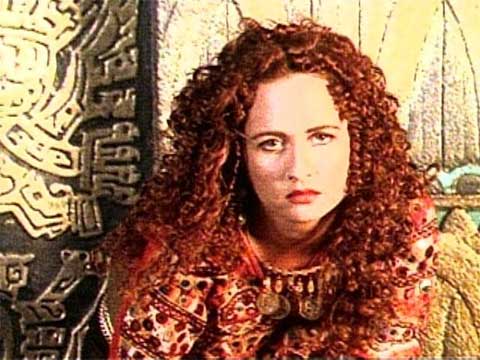
After a long semester in school, I am returning to my blog. However, I am returning for a sad reason: to pay tribute to the soulful Teen Marie, aka "Lady T" and the "Ivory Queen of Soul," who passed away on Sunday, December 26, at the young age of 54. Here are my favorite songs from Ms. Marie. Rest in Peace.
Lovergirl
Fire and Desire with Rick James
Ooo La La La
Out On a Limb
Aladdin's Lamp
It Must Be Magic
Yes Indeed
I'm a Sucker For Your Love w/ Rick James
Square Biz
Behind the Groove
Portuguese Love
Casanova Brown
Fire and Desire with Rick James
Ooo La La La
Out On a Limb
Aladdin's Lamp
It Must Be Magic
Yes Indeed
I'm a Sucker For Your Love w/ Rick James
Square Biz
Behind the Groove
Portuguese Love
Casanova Brown
Thursday, October 7, 2010
Tuesday, August 24, 2010
Earworm: Cee-lo's F*ck You!
Damn Cee-lo for creating such a catchy song that requires me to say F*ck You! 16 times! I have had this song stuck in my head since last week and already have all the lyrics memorized! Cee-lo never ceases to make me love him (oh, Geminis)!
Monday, August 23, 2010
Click-It Concert Tribute: Abbey Lincoln

On August 14th, 2010, we lost another one of the greats, Abbey Lincoln (original name was Anna Marie Wooldridge and later Aminata Moseka). I found out about Ms. Lincoln last year while looking for famous people born in August (her birthdate is one day before mine). Literally, I just stumbled upon her and decided to give her a listen. The first songs I heard from her was from her collaboration with Max Roach 5 on the Freedom Now Suite and I instantly fell in love with her. Besides her music career, when I found out about her as a songwriter, as an actress and as an activist, I was so much more impressed with her. She was a true freedom fighter for black people all over the world and as several people have said that is what made her dangerous (even to the point she exiled herself from the US for a few years for her political beliefs). I am saddened by the thought that I will never see Abbey Lincoln in person, but I am happy that we have her music and life story still with us. Here's a quote from Abbey that speaks to me about the importance of art:
”How can you have a career and never say anything? To experience it all and not say a word, you're supposed to stand up and speak your mind in the music. Some people like to hear some reality. I'm not trying to save or fix the world. I'm just singing about my experiences. My songs are observations.”
”How can you have a career and never say anything? To experience it all and not say a word, you're supposed to stand up and speak your mind in the music. Some people like to hear some reality. I'm not trying to save or fix the world. I'm just singing about my experiences. My songs are observations.”
People in Me
Freedom Day
Freedom Now Suite: Driva-Man & Tears for Johannessburg/Prayer & Peace/All Africa/Freedom Day
When I'm Called Home
Afro-Blue
Africa
And It's Suppose to Be Love
Spread the Word (From The Girl Can't Help It)
You Came a Long Way from St. Louis
Throw It Away
"You Can Never Lose a Thing If It Belongs to You"
RIP Abbey
Tuesday, August 3, 2010
The Art of Music: Where Music and Art Collide
This special post will combine art from Dawn Okoro and some of my favorite songs that I think the art goes with:
Some Information on Dawn from her website:
Dawn Okoro's work is informed by the composition techniques used in fashion photography. Using oil, acrylic and pencil, she incorporates photography, collage, and ideas from popular culture. Her artwork embodies space, movement, pattern, design, texture, and color; as well as lived experiences and self-reflexivity. Self-reflexivity is a process by which she critically examines the experiences (exterior and interior) that shape her everyday life and those that surround her.
Dawn Okoro holds a Bachelor's degree from the University of Texas at Austin and a Juris Doctor from Texas Southern University. Her work has been exhibited at RFA Gallery in Harlem, Texas Southern University Museum, Rice University, and the Texas Biennial.
1) Shine

2) Get Up

4) Frame

5) Blue Necklace

6) Desert Dress

Some Information on Dawn from her website:
Dawn Okoro's work is informed by the composition techniques used in fashion photography. Using oil, acrylic and pencil, she incorporates photography, collage, and ideas from popular culture. Her artwork embodies space, movement, pattern, design, texture, and color; as well as lived experiences and self-reflexivity. Self-reflexivity is a process by which she critically examines the experiences (exterior and interior) that shape her everyday life and those that surround her.
Dawn Okoro holds a Bachelor's degree from the University of Texas at Austin and a Juris Doctor from Texas Southern University. Her work has been exhibited at RFA Gallery in Harlem, Texas Southern University Museum, Rice University, and the Texas Biennial.
1) Shine
Dead Prez - The Beauty Within
2) Get Up
Mary Mary - Get Up
3) Fearless

3) Fearless

Tarrus Riley- She's Royal
4) Frame

Stevie Wonder - You Are the Sunshine of My Life
5) Blue Necklace

2Face Idibia- My African Queen
6) Desert Dress

Richie Spice - Brown Skin
7) Is That A Real Gucci Bag?

7) Is That A Real Gucci Bag?

Erykah Badu- Bag Lady
8) Breathe Easy

8) Breathe Easy

The Commodores- Easy
9) Careen

9) Careen

Shorty Long- Devil With a Blue Dress
10) Prop

10) Prop

Joi- Lick
Thursday, July 22, 2010
NewBlackMan: The Radical Soul of Curtis Mayfield

Via Mark Anthony Neal's NewBlackMan
National Black Arts Festival in Atlanta Celebrates the 'Radical Soul' of Curtis Mayfield
Quiet Legend: The Radical Soul of Curtis Mayfield
by Stephane Dunn
This ain't no time for segregatin' (we people who are darker than blue)
I'm talking 'bout brown and yellow two
High yellow girl, can't you tell
You're just the surface of our dark deep well
Some musicians – not many – just have it - a timelessness that means whenever you hear their music you are moved to sing along or rock or in the case of Chicago native Curtis Mayfield, to go to church and say uh huh, alright now. He was a soft-spoken gentleman with an instantly recognizable vocal sound – at once soulful and mellow but tinged with that gut-wrenching emotion definitive of black gospel music. This wasn’t surprising since Mayfield was a church boy who taught himself the guitar and dropped out of school and turned professional musician at the very young age of fifteen.
Pianist Dr. Guthrie Ramsey, a professor of music at the University of Pennsylvania, says Mayfield’s “unforced, persuasive falsetto” offered a “dose of gospel-blues.” Mayfield proved to be an old soul and ahead of his generation. By the time his group The Impressions reached soul music fame with such albums as It’s All Right (1963) and the hit Keep On Pushin 1964, Mayfield had come to define the group’s sound, writing and producing many of their songs. While Mayfield is a name that any soul music lover or American music aficionado will know, he remains a sort of quiet legend and this despite the sampling of his music and tributes, both compilations of his music and concerts.
The most recent tribute by Atlanta’s National Black Arts Festival saluted Mayfield in song with legendary O’ Jay Eddie Levert, Joi, Dion Farris, Van Hunt and at night’s end, the Impressions leading the crowd in “Movin’ on Up.” It was particularly apropos that on the heels of Black Music Month, the 2010 festival chose to highlight Mayfield’s music both because of the sheer velocity of his work as well as his consistent musical investment in social introspection that unabashedly spoke to the black American experience in the 60’s and early-70’s. While Marvin Gaye’s 1971 album, What’s Goin’ On and the single by the same name are deservedly designated one of the top best of twentieth century pop music and revisited during times when the national consciousness is shaken (September 11th, the Hurricane Katrina aftermath), the socially radical musical genius of Curtis Mayfield is not referenced nearly enough . Perhaps this is in part because there is no singular song that sort of stands as his iconic socio-political critique – there was a whole catalog of such songs in the Mayfield repertoire. “People Get Ready”; “Keep On Pushin’’; We’re a Winner”, “This Is My Country” and “Choice of Colors” are just a few.
Several months before Gaye dropped his What’s Goin’ On (1971), Curtis Mayfield released his solo debut album, CURTIS in September of 1970 . Mayfield interrogated racial oppression, challenged the status quo, and inspired the young with a number of powerfully poetic songs - “Miss Black America,” “Moving on Up; “Don’t Worry if There’s a Hell Below We’re All Gonna Go” and “We People Who Are Darker Than Blue” – which Peter Burns describes as on “par” with Billie Holiday’s “strange Fruit.” Even before this solo point in his career, Mayfield had already built an extraordinary cache of politicized music with Impressions albums like People Get Ready (1965) and We’re A Winner (1967). Taken together, the Mayfield songbook is a powerful narrative record of the struggles for black liberation in the 60s to early 70s. CURTIS reached the top of the charts where it was unseated by Gaye’s What’s Goin’ On.
Mayfield’s movie soundtrack work further demonstrated his socially insightful voice and emphasized that part of his lyrical genius was his ability to capture the beauty, pleasures, and pain of black ghetto life. For Claudine (1974), starring James Earl Jones and Diahann Carroll as a struggling single mother raising six children in Harlem, he penned such critically sharp tracks as “Mr. Welfare Man.” Despite its controversial cultural legacy, the music for the drug themed Superfly, Mayfield’s most enduring soundtrack score, was more than a narrative accompaniment. It humanized and dramatized one of the most serious problems plaguing the black urban community with the memorable “Pusherman” and “Freddy’s Dead.” Like Superfly, The Bill Cosby and Sydney Poitier film, Let’s Do It Again (1974), continued to showcase Mayfield’s genius with creating sultry, magnetic songs like the hit title track. He offered up more of this in Sparkle, a 1977 movie starring Irene Cara, which included such sexy, alluring singles as the much performed “Giving Him Something He Can Feel.” He teamed up with the reigning Queen of Soul Aretha Franklin to do the re-cut version of the Sparkle soundtrack; it revitalized Franklin’s career and they went on to do her album Almighty Fire in 1978.
Mayfield’s collaborations with the likes of Franklin, Donnie Hathaway, and the Staple singers provide an impressive body of work on it’s on and is further distinguishable because much of it occurred on Mayfield’s successful Chicago based label, Curtom. The ownership Mayfield took over his work when the Impressions finished their ABC contract in 1968 further signals his radicalism. On the surface, it is perhaps easy to reach for familiar terms like “message music” to characterize Mayfield’s 1960s-70s body of work. Such a tag might obscure the profound thematic depth, lyrical genius, and musical artistry of Curtis Mayfield who could captivate us with achingly, beautiful songs [“The Makings of You”] or get us moving and flirting [Let’s Do It Again”] or call us to action [“People Get Ready.”] Dr. Ramsey notes that Mayfield’s “understated personality” countered “the massive influence his musicianship held over the music industry for years.”
In August 1990, a freak accident at an outdoor concert paralyzed Mayfield from the neck down. He recorded a little again from his bed as renewed interest and tributes to his work appeared in the ‘90s. In December 1999, the quiet legend passed away. Tributes have a greater use than just providing feel-good sing along evenings and technology assists mightily. Pop culture memory is notoriously short-lived; recovering the great ones who offer a compelling window into a historical period and high artistry is ongoing work. Curtis Mayfield offers one of the loudest, most deft nods to the marriage of musical profundity and thematic consciousness; in that his radical soul is timeless.
***
Stephane Dunn, Ph.D, MFA, is currently an Assistant Professor in the English Department at Morehouse College. She has also taught at Ohio State University. A scholarly and creative writer, she specializes in film, popular culture, literature and African American studies. She is the author of articles and commentaries and the book, Baad Bitches & Sassy Supermamas: Black Power Action Films (University of Illinois Press 2008). She can be reached at musesd@netzero.com.
Thursday, July 1, 2010
More Afropunk!
Via Bold As Love
"Here's some video from two CUNY Graduate Journalism students, and it incorporates a sense of the sights and sounds at the festival along with short interviews with a few folks attending. What's cool is that it underscores the fact that community is so important. That is, everyone needs a place where they don't feel like an outsider, if only so you and get your energy back up to go out and fight the good fight."
From NY Times
"It’s easy to point to icons like Jay-Z, Notorious B.I.G., Lil’ Kim and Busta Rhymes as Brooklyn’s finest, musically speaking. But the latest installment of the Afro-Punk festival, which bills itself as “the other black experience,” questions the idea that African-American culture and hip-hop have to go hand in hand.
With more than 20 bands, from Ninjasonik, to punk legends Bad Brains, to tween rockers The Bots, Afro-Punk explores the pocket of life where punk rock, hip-hop and urban culture collide — all in musically and ethnically diverse Brooklyn. This past weekend at Commodore Barry Park, inside the chain link fences on the hot and shadeless blacktop, people of all colors, shapes and styles converged and pushed the definition of Brooklyn music. From the cackles and rhythm of skateboards grinding on ramps built for the festival’s skating competition, to the beats of Belikos, the festival showed how creative and diverse this lesser-known Brooklyn sound, and the culture it fosters, can be."
Afro Punk Festival 2010 from Liza Eckert on Vimeo.
"Here's some video from two CUNY Graduate Journalism students, and it incorporates a sense of the sights and sounds at the festival along with short interviews with a few folks attending. What's cool is that it underscores the fact that community is so important. That is, everyone needs a place where they don't feel like an outsider, if only so you and get your energy back up to go out and fight the good fight."
From NY Times
"It’s easy to point to icons like Jay-Z, Notorious B.I.G., Lil’ Kim and Busta Rhymes as Brooklyn’s finest, musically speaking. But the latest installment of the Afro-Punk festival, which bills itself as “the other black experience,” questions the idea that African-American culture and hip-hop have to go hand in hand.
With more than 20 bands, from Ninjasonik, to punk legends Bad Brains, to tween rockers The Bots, Afro-Punk explores the pocket of life where punk rock, hip-hop and urban culture collide — all in musically and ethnically diverse Brooklyn. This past weekend at Commodore Barry Park, inside the chain link fences on the hot and shadeless blacktop, people of all colors, shapes and styles converged and pushed the definition of Brooklyn music. From the cackles and rhythm of skateboards grinding on ramps built for the festival’s skating competition, to the beats of Belikos, the festival showed how creative and diverse this lesser-known Brooklyn sound, and the culture it fosters, can be."
Wednesday, June 30, 2010
Black Music Month Finale: My Summer Job

Did you see the movie Cadillac Records? You know the story about Leonard Chess (and Phil Chess, but he is barely mentioned in the movie) and the blues musicians, such as Muddy Waters, Howling Wolf, and Chuck Berry, he worked with at his Chess Records label. Well, my summer job as a research assistant will be covering a topic that includes the Chess Brothers. This summer, I will be researching on Jewish middlemen and the Black musicians they worked with. See, from about the 1920s to the 1960s, most of the middleman in the music industry (managers, record label owners, promoters, venue operators, etc.) were Jewish. The professor, I am working with, Robert Cherry, who studies economics of discrimination, says about 95% were. Over the years, these middlemen have been criticized for exploiting black musicians and not paying them what they deserved. The objective of this project is to see to what extent is that true, since there is always two sides to every story. Here is the official description of the job:
From about 1925-1965 black-inspired music (jazz, blues, and early rock ‘n’ roll) moved from the periphery to the mainstream of American popular culture. While it was dominantly performed by black artists, virtually all of the record company owners, business agents, and major venue operators were Jewish. This project looks at the role that these Jewish middlemen played and to what extent claims of exploitation are justified. The student will examine jazz archives in the New York City area, particularly music magazines articles and the black press to get a better understanding of how these middlemen were perceived during that time period. We will meet weekly to evaluate progress and decisions on what sources to utilize.
While I will officially start researching next week, at places like the Schomburg Center for Research in Black Studies and starting off with the Jazz era of the 1920s to the early 1940s, Professor Cherry has given me some of his research that he has found already. Here is a brief overview of that:
* Two groups of Jewish middlemen: those who were genuine Jazz fans, such as Milt Gabler (Commodore), Jerry Wexler (Atlantic) and Bobby Weinstock (Prestige), and those who had little interest in black music, but entrepreneurial skills led them to believe it would make them profits, such as Frank Schiffman (Apollo theatre and other Harlem venues), Herman Lubinksy (Savoy Records), Leonard Chess (Chess Records) and Syd Nathan (King Records).
*Relationships between Jewish middlemen and black musicians is a complicated one. Many of the black musicians would not have received much exposure without them because during those times white businessmen were not willing to work with black businessmen in general. Also, Jewish people were in a weird position because they were discriminated against (ex. with KKK) and did have high positions in a lot of social organizations (ex. NAACP), but their white skin allowed for them to maneuver easier in society. White businessmen were willing to work with Jewish people and many Jewish people own stores and other businesses in black areas like Harlem. Also, to many Christians, Jazz was considered to be base. So, black people had very little choice but to work with Jewish middlemen, even the bad ones.
*However, since many record labels were competing, successful artists could move among the record companies, such as with Little Esther Mae Jones.
* In the 1930s, many record labels were independents and had a high risk of failure, which made paying artists less easier to do since they wanted to make profits and they needed to make money off of successful artists to pay for the cost of failures (recording sessions, advances, unsold records).
* Distributors also made it extra hard for record companies to make a profit; many companies shutdown because they could not keep up with the costs.
*One of the most criticized record owners was Herman Lubinsky of Savoy Records. He started off selling electronics and later began selling records out of his store. The label recorded some of the first bebop Jazz albums, like ones for Charlie Parker, Miles Davis and Dexter Gordon and later other artists like Varetta Dillard, Big Maybelle and Nappy Brown. He also included avant-garde Jazz and gospel in the following years. Lubinksy actually disdained black music and was unwilling to understand it at all in addition to being a cheap individual.
*Another interesting fact is that several of the first Jazz bands were led by Jewish musicians, most notably, Benny Goodman and Artie Shaw. Only until around 1940s did black bandleaders, like Duke Ellington and Count Basie come to the forefront more.
*Also, most of the songwriters were Jewish, which creates a problems when people criticize that black musicians did not get copyright royalties. Well, many, especially popular Jazz musicians, did not writer their own songs or did not write them completely by themselves.
* There were managers and record owners who did try to help black musicians in society outside of business. Count Basie's manager Norman Granz. Granz found the record label Verve in addition to starting many Jazz festivals and Jazz at the Philharmonic. He helped Ella Fitzgerald become more popular by introducing her to the Cole Porter Songbook. Oscar Peterson said that Granz stood up for many black musicians in the segregated South even when policemen were pointing guns at him. He also demanded equal pay and accommodation for black and white artists. Also, he promoted the first mixed raced concerts in the Deep South.
* Many critics say that Jewish middlemen commercialized black music so much that it lost its authentic sound. For example, Irving Mills and Duke Ellington, and Joe Glaser and Louis Armstrong have been labeled with this criticism. Several critics also see it as part of the paternalistic relationship between owners and artists. This may be true, but that has always been the case with popular music in order to appeal to the masses, unfortunately.
More research is coming and I will give weekly update on what I find.... STAY TUNED!
From about 1925-1965 black-inspired music (jazz, blues, and early rock ‘n’ roll) moved from the periphery to the mainstream of American popular culture. While it was dominantly performed by black artists, virtually all of the record company owners, business agents, and major venue operators were Jewish. This project looks at the role that these Jewish middlemen played and to what extent claims of exploitation are justified. The student will examine jazz archives in the New York City area, particularly music magazines articles and the black press to get a better understanding of how these middlemen were perceived during that time period. We will meet weekly to evaluate progress and decisions on what sources to utilize.
While I will officially start researching next week, at places like the Schomburg Center for Research in Black Studies and starting off with the Jazz era of the 1920s to the early 1940s, Professor Cherry has given me some of his research that he has found already. Here is a brief overview of that:
* Two groups of Jewish middlemen: those who were genuine Jazz fans, such as Milt Gabler (Commodore), Jerry Wexler (Atlantic) and Bobby Weinstock (Prestige), and those who had little interest in black music, but entrepreneurial skills led them to believe it would make them profits, such as Frank Schiffman (Apollo theatre and other Harlem venues), Herman Lubinksy (Savoy Records), Leonard Chess (Chess Records) and Syd Nathan (King Records).
*Relationships between Jewish middlemen and black musicians is a complicated one. Many of the black musicians would not have received much exposure without them because during those times white businessmen were not willing to work with black businessmen in general. Also, Jewish people were in a weird position because they were discriminated against (ex. with KKK) and did have high positions in a lot of social organizations (ex. NAACP), but their white skin allowed for them to maneuver easier in society. White businessmen were willing to work with Jewish people and many Jewish people own stores and other businesses in black areas like Harlem. Also, to many Christians, Jazz was considered to be base. So, black people had very little choice but to work with Jewish middlemen, even the bad ones.
*However, since many record labels were competing, successful artists could move among the record companies, such as with Little Esther Mae Jones.
* In the 1930s, many record labels were independents and had a high risk of failure, which made paying artists less easier to do since they wanted to make profits and they needed to make money off of successful artists to pay for the cost of failures (recording sessions, advances, unsold records).
* Distributors also made it extra hard for record companies to make a profit; many companies shutdown because they could not keep up with the costs.
*One of the most criticized record owners was Herman Lubinsky of Savoy Records. He started off selling electronics and later began selling records out of his store. The label recorded some of the first bebop Jazz albums, like ones for Charlie Parker, Miles Davis and Dexter Gordon and later other artists like Varetta Dillard, Big Maybelle and Nappy Brown. He also included avant-garde Jazz and gospel in the following years. Lubinksy actually disdained black music and was unwilling to understand it at all in addition to being a cheap individual.
*Another interesting fact is that several of the first Jazz bands were led by Jewish musicians, most notably, Benny Goodman and Artie Shaw. Only until around 1940s did black bandleaders, like Duke Ellington and Count Basie come to the forefront more.
*Also, most of the songwriters were Jewish, which creates a problems when people criticize that black musicians did not get copyright royalties. Well, many, especially popular Jazz musicians, did not writer their own songs or did not write them completely by themselves.
* There were managers and record owners who did try to help black musicians in society outside of business. Count Basie's manager Norman Granz. Granz found the record label Verve in addition to starting many Jazz festivals and Jazz at the Philharmonic. He helped Ella Fitzgerald become more popular by introducing her to the Cole Porter Songbook. Oscar Peterson said that Granz stood up for many black musicians in the segregated South even when policemen were pointing guns at him. He also demanded equal pay and accommodation for black and white artists. Also, he promoted the first mixed raced concerts in the Deep South.
* Many critics say that Jewish middlemen commercialized black music so much that it lost its authentic sound. For example, Irving Mills and Duke Ellington, and Joe Glaser and Louis Armstrong have been labeled with this criticism. Several critics also see it as part of the paternalistic relationship between owners and artists. This may be true, but that has always been the case with popular music in order to appeal to the masses, unfortunately.
More research is coming and I will give weekly update on what I find.... STAY TUNED!
Tuesday, June 29, 2010
Black Music Month #24: Afropunk!!!! Part 2!!!!

Here is my recap of Sunday's performances:
1) Galaxy of Tar: Oops, I came too late and missed their performance, but I bought theird CD for a $1 (great bargain), maybe I'll review it later.
Find more videos like this on AFRO-PUNK
2) Bad Rabbits: Did I mention I love these guys and I made it time to see them! Woohoo! Let me tell you that Dua can SANG, not sing, but SANG!!!!! Just as The 54, why aren't these guys more commercially successful; I could dance all day to them!
3) Martin Luther: This man is SEXY (sorry, I had to mention it) and he is the epitome of a rock star continuing in the line of Little Richard, Jimi Hendrix, Prince and Lenny Kravitz, as well as very conscious. Moreover, he has a band made up of mostly females (on drums, lead guitar and keyboard), how incredible is that!
4) J'Davey: I am still on the fence with this duo. I can bob my head to the beats, but Jack Davey's voice still irks me. Sometimes it works, as on the songs, "Slooow" and "Get Together," but then other times she sounds like a squeaky little girl. I guess it just takes getting use to, I will eventually.
5) 24-7 Spyz: Soul and Heavy Metal together sounds crazy, but for this group, who has been together over twenty years, it works! It worked so much that I bought their CD and DVD, resulting in a free T-shirt for me (did I mention that I love free stuff!)
Don't Break My Heart
6) Cubic Zirconia: Seeing the lead singer, Tiombe Lockhart, in lace and hearing songs like "Hoes Come Out At Night," she reminded me of a mix between Lil' Kim and Betty Davis and add in a African club dancer...take from that what you will...
Josephine
7) K-OS: Think Will.I.Am mixed with the comments I made about P.O.S., and you got him!
Sunday Morning
8) The Cool Kids: What can I say, as their name implies they were cool, especially Mikey Rocks with his nerdy glasses. Plus Kid Cudi came out as a surprise guest....maybe I was waiting for this next guy...
I'm Mikey
9) MOS DEF!!! What a way to end a jam-packed good music festival! He had me in love with his skullcap, nerdy suspenders and red microphone; he just looked like a beautiful nerd! Like my friend said, "I feel as if I am in church." Yep, we were in the church of Mos Def and us his faithful followers. He had us dancing, swaying, laughing and much more! Just watch the awesomeness below:
1) Galaxy of Tar: Oops, I came too late and missed their performance, but I bought theird CD for a $1 (great bargain), maybe I'll review it later.
Find more videos like this on AFRO-PUNK
2) Bad Rabbits: Did I mention I love these guys and I made it time to see them! Woohoo! Let me tell you that Dua can SANG, not sing, but SANG!!!!! Just as The 54, why aren't these guys more commercially successful; I could dance all day to them!
3) Martin Luther: This man is SEXY (sorry, I had to mention it) and he is the epitome of a rock star continuing in the line of Little Richard, Jimi Hendrix, Prince and Lenny Kravitz, as well as very conscious. Moreover, he has a band made up of mostly females (on drums, lead guitar and keyboard), how incredible is that!
4) J'Davey: I am still on the fence with this duo. I can bob my head to the beats, but Jack Davey's voice still irks me. Sometimes it works, as on the songs, "Slooow" and "Get Together," but then other times she sounds like a squeaky little girl. I guess it just takes getting use to, I will eventually.
5) 24-7 Spyz: Soul and Heavy Metal together sounds crazy, but for this group, who has been together over twenty years, it works! It worked so much that I bought their CD and DVD, resulting in a free T-shirt for me (did I mention that I love free stuff!)
Don't Break My Heart
6) Cubic Zirconia: Seeing the lead singer, Tiombe Lockhart, in lace and hearing songs like "Hoes Come Out At Night," she reminded me of a mix between Lil' Kim and Betty Davis and add in a African club dancer...take from that what you will...
Josephine
7) K-OS: Think Will.I.Am mixed with the comments I made about P.O.S., and you got him!
Sunday Morning
8) The Cool Kids: What can I say, as their name implies they were cool, especially Mikey Rocks with his nerdy glasses. Plus Kid Cudi came out as a surprise guest....maybe I was waiting for this next guy...
I'm Mikey
9) MOS DEF!!! What a way to end a jam-packed good music festival! He had me in love with his skullcap, nerdy suspenders and red microphone; he just looked like a beautiful nerd! Like my friend said, "I feel as if I am in church." Yep, we were in the church of Mos Def and us his faithful followers. He had us dancing, swaying, laughing and much more! Just watch the awesomeness below:
Honorable Mention: Supernatural
He was not an official performer, but this rapper had my attention with his quick-witted freestyles from both days. Not only could he make up rhymes on the spot based on what people had in their hand (he even did one about a tampon), but he could also impersonate other rappers, like Biggie, Slick Rick and Busta Rhymes. Definitely check him out:
Subscribe to:
Posts (Atom)